APCON Exports

Category: Uncategorized

  • Sourcing Mango Pulp from India: Varieties, Grades and What Buyers Should Know

    Sourcing Mango Pulp from India: Varieties, Grades and What Buyers Should Know

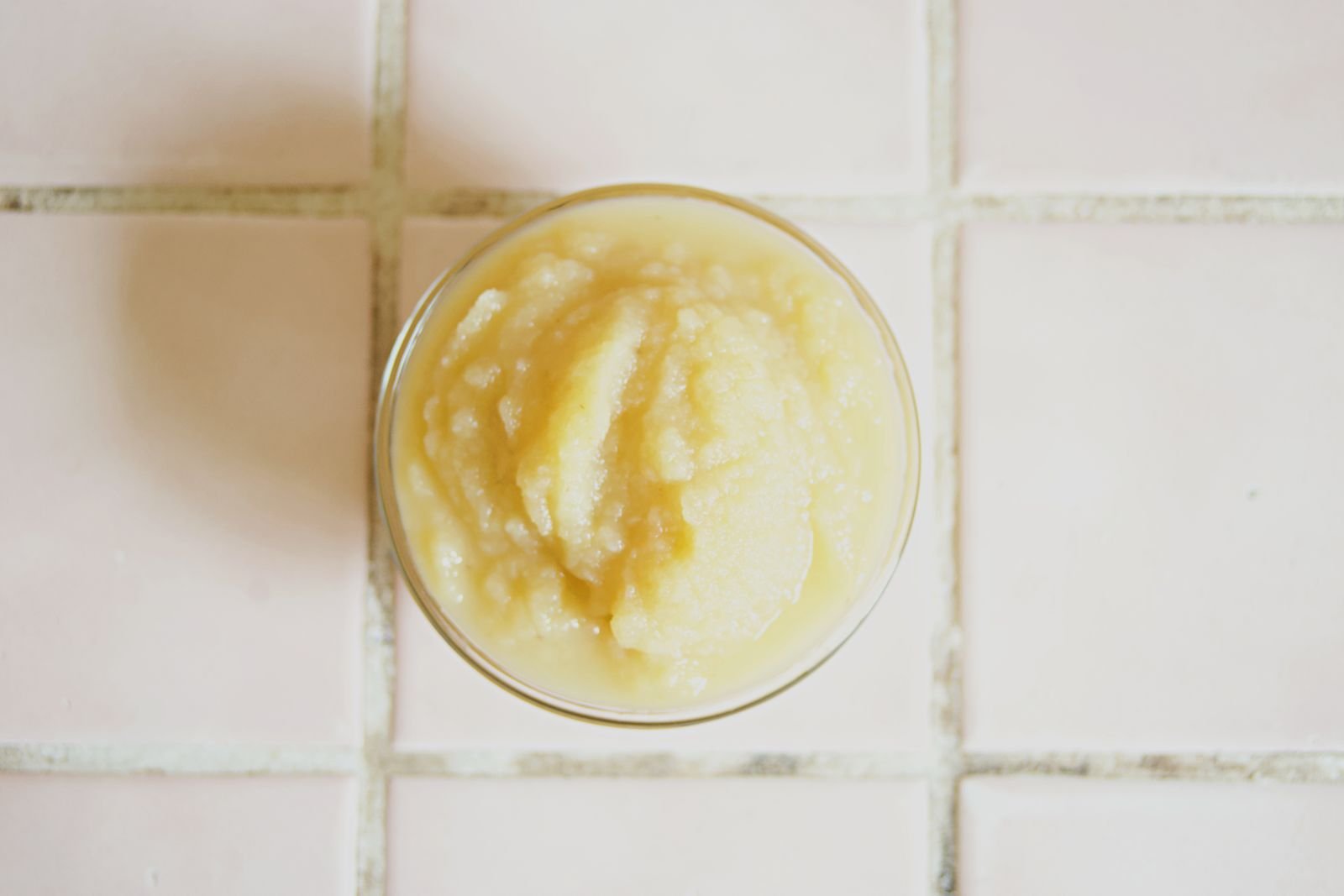
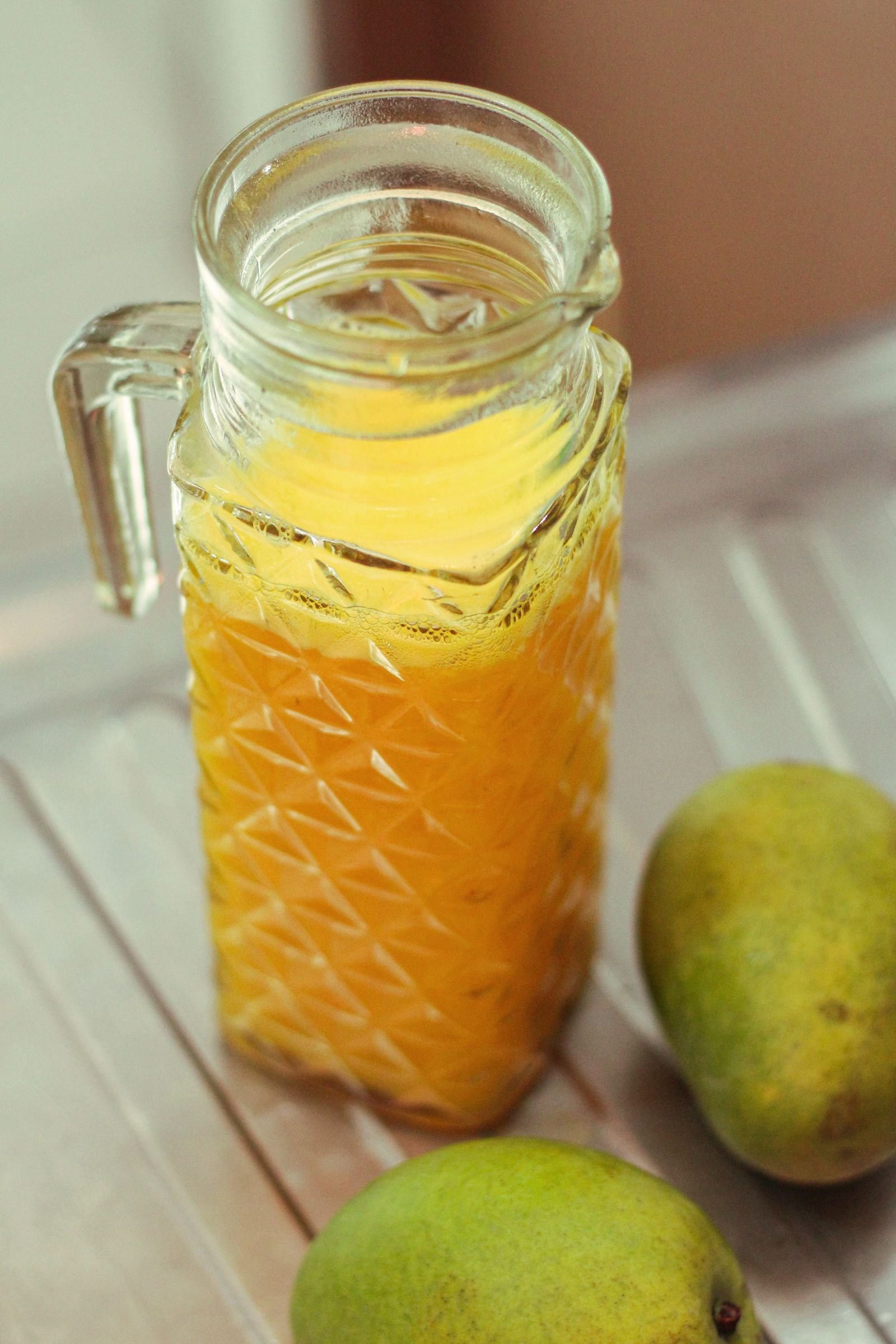
    Mango pulp is tracked as its own line in India’s export data, separate from fresh mangoes — worth roughly USD 80.4 million in FY2024-25. That distinction matters: it reflects steady, year-round demand from dairy, bakery, beverage and foodservice manufacturers who need a standardized, shelf-stable mango ingredient rather than fresh fruit tied to a short seasonal window. For a buyer new to sourcing it, mango pulp turns out to be a more specific product than “mango” — the variety, grade and packaging format all shape what arrives at the other end.

    Why processors don’t just use one mango variety

    Two varieties dominate India’s mango pulp industry, and they’re chosen for different reasons. Totapuri — grown extensively across Andhra Pradesh — has a higher pulp recovery rate, a firmer texture and a more acidic, tart profile that holds its color and consistency well through processing. That makes it the workhorse variety for juice concentrate, beverage bases and food-service formulations where a controllable, consistent base matters more than a distinctive flavor. Alphonso, grown along the Konkan coast around Ratnagiri and Devgad in Maharashtra, is prized instead for its aroma and rich, sweet flavor — it costs more and processes in smaller volumes, but it’s the variety manufacturers reach for when a product is marketed specifically on an “Alphonso” flavor claim, such as premium ice cream or a branded mango drink. Kesar, grown mainly around Junagadh in Gujarat, fills a similar aromatic, premium niche.

    What “grade” means for mango pulp

    Mango pulp is graded primarily by Brix (sugar content), and the target range depends on both variety and end use. Alphonso pulp typically runs 16-20° Brix, Totapuri pulp 14-17° Brix, and a concentrated form — produced by evaporating off water — can run as high as 28-32° Brix for buyers who want to reconstitute it themselves and save on shipping weight. Beyond Brix, a serious buyer also specifies acidity (pH), color, and fiber content, since a dairy application (smooth, low-fiber) and a bakery filling (higher body, holds shape) want different physical properties from what is nominally the same product.

    Packaging formats you’ll be offered

    Bulk B2B buyers most commonly order mango pulp in aseptic packaging — a food-grade multilayer bag inside a steel drum, processed to commercial sterility so it holds at ambient temperature without refrigeration until opened. This is the standard format for a manufacturer who will use the pulp as a raw material in their own production line. Smaller foodservice and retail buyers are more often served through canned formats — institutional cans sized for commercial kitchens, or consumer-size cans for retail shelves. For a buyer who wants texture rather than a smooth purée, IQF (Individually Quick Frozen) mango pieces are worth asking about as an alternative to pulp.

    What to ask a mango pulp supplier before you order

    A few questions tend to separate a supplier who can hit a specification consistently from one who’s guessing:

    • Which variety, or blend of varieties, and the Brix range it’s graded to
    • Acidity (pH) and whether the pulp contains any added sugar, preservatives, or is preservative-free
    • Packaging format and net weight — aseptic drum, institutional can, or consumer can — and shelf life at ambient versus chilled storage
    • What certifications the processing facility holds relevant to your target market (BRC, FSSC 22000, USFDA registration, and similar)
    • Minimum order quantity, and whether a small sample or trial drum is available before a full container order

    Sourcing domestically

    Dairy, bakery, beverage and foodservice manufacturers across India buy mango pulp against the same specifications — Brix, acidity, packaging format — that an export buyer would ask for, because a consistent finished product depends on it regardless of which market it’s sold into. At APCON Exports, we supply mango pulp in the varieties and grades manufacturers need, to retail, wholesale and export buyers alike, on the same quality terms.


    If you’re sourcing mango pulp for your production line, get in touch with your variety, grade and volume requirements — we’ll confirm availability, share samples, and quote based on your packaging preference.
  • Sourcing Fresh Grapes from India: Season, Regions and What Buyers Should Know

    Sourcing Fresh Grapes from India: Season, Regions and What Buyers Should Know

    Grapes are India’s single largest fresh fruit export by value — roughly USD 353.5 million in FY2024-25, moving mainly to the Netherlands, Russia and the United Kingdom. Most of that volume comes from one place: Nashik district in Maharashtra, which alone accounts for around 55% of India’s total grape exports. For any buyer sourcing fresh fruit — whether for a retail chain, a wholesale market or an overseas import programme — India’s grape season is worth understanding on its own terms.

    Why India’s grape season is a counter-seasonal advantage

    Nashik’s grapes are harvested from February to April — a window when most of the Northern Hemisphere has no fresh local grape crop of its own. That timing is a large part of why European buyers built long-term sourcing relationships with Indian exporters in the first place: it fills a genuine gap in the calendar rather than competing head-on with domestic European or South American supply.

    Where India’s grapes come from

    Nashik has earned the name “the grape capital of India.” The district’s grape belt — spread across Kalwan, Igatpuri, Sinnar, Niphad, Yeola and Malegaon — covers roughly 1.75 lakh hectares and was granted Geographical Indication status in 2010-11, recognising the region’s particular combination of soil, elevation and climate. Within that belt, seedless varieties dominate table grape production, grown specifically for the firmness, sweetness and shelf life that both export shipping and domestic retail require.

    What “export-grade” actually means for grapes

    Grapes carry more sourcing scrutiny than most fresh produce, because a past history of pesticide-residue rejections in the EU market pushed India to build one of its most rigorous traceability systems: APEDA’s GrapeNet platform. Every farmer, packhouse, laboratory and exporter involved in a consignment has to be registered in the system, agrochemical residue levels are tested against the importing country’s own limits before shipment, and grapes must clear Agmark grading before a phytosanitary certificate is issued. In practice, this means a serious grape supplier can trace a consignment back to the specific plot it was grown on — not just the general region.

    What to ask a grape supplier before you order

    A few questions separate a supplier who treats grapes as a commodity from one who can actually deliver consistent quality, season after season:

    • Which variety, and what berry size and Brix (sugar content) range it’s graded to
    • Whether residue test reports are available per consignment, and against which market’s MRLs they’re tested
    • How the cold chain is managed from harvest through pre-cooling, packing and transit
    • Expected harvest and shipping windows for the current season, since grapes don’t wait
    • Minimum order quantities and packaging formats — retail-ready punnets versus bulk export cartons

    Sourcing domestically

    Not every grape buyer is shipping overseas. Retail chains, wholesale markets and fruit distributors across India are increasingly asking for the same grading, residue documentation and cold-chain handling that export buyers have long required — because it’s simply a reliable way to guarantee quality, not just a customs formality. At APCON Exports, we source and supply fresh grapes each season to retail, wholesale and export buyers on the same quality terms, regardless of where the order ships.


    If you’re sourcing fresh grapes for this season, get in touch with your volume and destination — we’ll confirm variety availability, share current pricing, and work out a shipping window that fits your calendar.

  • Fruit & Vegetable Ingredients for India’s Dairy, Bakery and Nutraceutical Manufacturers

    Fruit & Vegetable Ingredients for India’s Dairy, Bakery and Nutraceutical Manufacturers

    Not every fruit and vegetable ingredient we ship is destined for a fruit bowl or a curry. A large and growing share goes into products where the fruit itself is invisible — a spoonful of mango pulp folded into yogurt, a dusting of beetroot powder in a protein bar, dried apple pieces baked into a granola bar. India’s fruit powder market alone is worth an estimated USD 1.86 billion as of 2025 and is expected to reach USD 2.55 billion by 2034, spread across dairy, bakery, beverages and nutraceuticals — mango powder is the single largest contributor, at roughly 28% of that market.

    One raw material, several very different finished products

    What’s interesting about this segment is how much the same base ingredient gets reused. IQF mango and dried mango powder, for instance, can end up in a flavoured yogurt, a bakery filling and a nutraceutical supplement — the difference isn’t the fruit, it’s the format, particle size and processing spec the manufacturer needs. That means the conversation with a supplier is less about “what fruit do you have” and more about “can you deliver this fruit in the exact form our production line runs on.”

    Dairy: fruit for yogurt, lassi and ice cream

    Flavoured yogurt and frozen dessert manufacturers typically work with fruit purée or small cut pieces, either mixed through the base or layered at the bottom of the cup. The requirements here center on consistent Brix (sugar content) so the flavour doesn’t vary batch to batch, low seed and fibre content so it doesn’t clog filling equipment, and — for anything marketed as “real fruit” — minimal or no added preservatives, since a dairy product’s own cold chain already does most of the shelf-life work.

    Bakery and confectionery: dried pieces and inclusions

    Bakeries and granola or bar manufacturers mostly want dried fruit as a discrete “inclusion” rather than a purée — pieces that hold their shape through baking or mixing, don’t bleed colour into the surrounding dough, and have low enough moisture that they don’t compromise the shelf life of the finished product. Dried mango, apple, and berries are the most common requests, usually specified by piece size (diced, sliced or whole) rather than by weight alone.

    Nutraceuticals and health foods: powders for function, not just flavour

    Supplement and health-food brands are usually buying fruit or vegetable powder for a nutritional claim — vitamin C from amla or citrus, antioxidants from berries, fibre from beetroot or spinach — so the sourcing conversation includes questions a bakery or dairy buyer wouldn’t normally ask: retained nutrient content after drying, solubility in water or capsules, and mesh size for consistent blending into a formula. Spray-drying is the dominant processing method for this category because it preserves more of the original nutrient profile than simple hot-air drying.

    What to specify regardless of which category you’re in

    • Format: purée, IQF pieces, dried pieces, or powder — and the exact particle or mesh size within that format
    • Brix level or nutrient content, if flavour consistency or a nutritional claim depends on it
    • Moisture content and shelf-life stability under your storage and transport conditions
    • Whether the processing facility runs allergen-free or is shared with tree nuts, dairy or other allergens relevant to your product
    • Minimum order quantity and whether a smaller trial batch is available to test on your actual production line

    Sourcing domestically

    Dairy, bakery and nutraceutical manufacturers across India increasingly want the same documentation an export buyer would ask for — specification sheets, certificates of analysis, and traceability back to source — even though the product never leaves the country. At APCON Exports we supply fruit and vegetable ingredients in purée, IQF, dehydrated and powder form to domestic manufacturers on the same terms and with the same quality checks we use for international shipments.


    If you manufacture dairy, bakery or nutraceutical products and need a fruit or vegetable ingredient in a specific format, get in touch with your specification — we’ll confirm availability, share samples, and quote based on your volumes.

  • Frozen & Dehydrated Fruit and Vegetable Purées for India’s Baby Food Manufacturers

    Frozen & Dehydrated Fruit and Vegetable Purées for India’s Baby Food Manufacturers

    India’s baby food and infant formula market was valued at roughly USD 6.3 billion in 2025 and is projected to grow to USD 9.36 billion by 2034. The number that matters more to a manufacturer, though, is 79% — the share of Indian parents who say an “organic” or clean-label claim actively influences what they buy. That’s pushed baby food brands to rebuild recipes around recognisable, minimally processed fruit and vegetable ingredients instead of concentrates, flavourings and synthetic stabilisers, which changes what they need from a raw material supplier.

    What “clean label” means for sourcing, not just marketing

    A clean ingredient list on the pack only works if the raw material behind it is genuinely clean. For a baby food manufacturer, that means fruit and vegetables processed without added sugar, salt, preservatives or artificial colour, with any additives — even permitted ones like ascorbic acid for browning control — declared and agreed in advance. It also means the supplier can document exactly what’s in the batch, because a baby food label makes a promise that regulators, retailers and increasingly parents themselves will check.

    Purée-grade vs. table-grade: why the distinction matters

    Not every fruit or vegetable that’s fine for retail is automatically fine for an infant formula line. Purée-grade material is typically held to tighter limits on things most other buyers wouldn’t think to ask about — pesticide residue well below standard MRLs, low nitrate content for leafy and root vegetables, and a microbial load low enough to survive further thermal processing without compromising shelf life or safety. It also needs to purée to a smooth, consistent texture without excess fibre or seed fragments, which comes down to variety selection and processing method as much as the raw produce itself.

    Fruits and vegetables baby food manufacturers ask us for

    • Apple and pear — used as a base purée and natural sweetener in blends
    • Banana — for texture and flavour in early-stage weaning foods
    • Sweet potato and pumpkin — common first-food vegetables, valued for their naturally smooth texture
    • Carrot and green beans — introduced slightly later, usually blended rather than offered alone
    • Spinach — used carefully and in small proportions given nitrate sensitivity in infant diets

    Questions worth asking before you finalise a supplier

    Because the end consumer is an infant, the diligence here is understandably higher than for most other food categories. Before signing off on a raw material source, it’s worth getting clear, written answers on:

    • What pesticide residue and heavy metal testing is done, and how often — per batch or periodically?
    • Are nitrate levels tested and reported for vegetable purées, particularly leafy and root varieties?
    • What’s the microbial specification, and is it suitable for the manufacturer’s own thermal process (retort, aseptic fill, etc.)?
    • Is the processing facility FSSAI-licensed and audited, with documentation available on request?
    • Can the supplier trace a given batch back to the specific farms or growing regions it came from?

    Sourcing for the domestic market

    India is already one of the largest baby food markets in the world by volume, which means most of what’s produced here is consumed here — this isn’t a category where domestic demand is a smaller version of the export business. At APCON Exports, the same quality checks, traceability records and FSSAI compliance we maintain for international buyers apply to every batch, whether it’s headed to a baby food plant an hour from our facility or being loaded for shipment abroad.


    If you’re sourcing fruit or vegetable purée, powder or IQF material for baby food production in India, reach out with your specification and volumes — we’ll confirm what we can supply and share documentation on request.

  • Dehydrated Fruit & Vegetable Ingredients for India’s Pet Food and Treat Manufacturers

    Dehydrated Fruit & Vegetable Ingredients for India’s Pet Food and Treat Manufacturers

    Pet food is one of the fastest-growing packaged food categories in India. The market was worth an estimated USD 2.69 billion in 2026 and is on track to reach USD 4.6 billion by 2034, and dogs alone account for roughly 86% of that spend. Behind that growth is a quieter shift: pet parents are reading ingredient labels the way they read their own, and manufacturers are responding by adding real fruit and vegetable pieces, purees and powders to kibble, treats and toppers instead of relying purely on grain fillers and synthetic additives.

    Why dehydrated produce is showing up in more pet food formulas

    A few forces are converging here. Grain-free and “human-grade” positioning has pushed brands to look for functional carbohydrate sources like sweet potato and pumpkin instead of corn or wheat. Freeze-dried and dehydrated treats have become a category of their own, sold as single-ingredient snacks rather than processed biscuits. And extrusion lines that make kibble need an ingredient that survives high heat and pressure without losing its nutritional value or turning to dust in the mixer — which is exactly what a properly dehydrated fruit or vegetable piece is built to do.

    Ingredients pet food and treat manufacturers commonly source

    Not every fruit or vegetable belongs in a pet formula, so the sourcing list tends to be narrower and more deliberate than it is for human food. The ones we get asked about most often are:

    • Sweet potato — a grain-free carbohydrate base used in both kibble and single-ingredient chews
    • Pumpkin — added in small percentages for fibre and digestive support
    • Carrot — used for colour, crunch and beta-carotene content in treats
    • Apple (deseeded and cored) — a common flavour and fibre addition in baked treats
    • Beetroot and spinach — used in smaller quantities, mainly for colour and micronutrient content

    What a pet food manufacturer needs from a raw material supplier

    Pet food formulation runs on tighter tolerances than most people expect. A batch that’s slightly wetter than spec can throw off an extruder; one that’s inconsistently cut can jam a filling line. Before a formula is finalised, most manufacturers want clear answers on a handful of points:

    • What moisture percentage does the ingredient hold to, and how tightly is that controlled batch to batch?
    • Is the product free of added sulphites, preservatives or anti-caking agents, and can that be confirmed in writing?
    • Is a certificate of analysis available with each batch, covering moisture, microbial counts and any residue testing?
    • Can piece size, cut style or powder mesh size be customised to match a specific extrusion or mixing process?
    • Is a small trial batch available before committing to a full production run?

    Sourcing domestically

    Pet food manufacturers in India don’t need export documentation, but they generally hold their raw materials to the same bar as human food processors, sometimes stricter, given how directly an animal’s diet affects its health and how closely pet owners now scrutinise labels. At APCON Exports, our dehydration process, batch testing and traceability records are the same whether a shipment is headed to a pet food plant in Punjab or a buyer overseas, so a domestic manufacturer gets the same documentation and consistency an export customer would expect.


    If you’re formulating or scaling a pet food or treat line and need a dehydrated fruit or vegetable ingredient with consistent specs, get in touch and let us know the product, cut size and volumes you’re working with — we’ll send samples and a quote based on your requirement.

  • Sourcing Frozen Vegetables in Bulk: A Guide for Indian Restaurants, Hotels and Food Brands

    Sourcing Frozen Vegetables in Bulk: A Guide for Indian Restaurants, Hotels and Food Brands

    Frozen vegetables used to be a niche choice in Indian kitchens. That’s changing fast. Industry estimates put India’s frozen vegetables market at roughly USD 6.2 billion in 2026, growing toward USD 8.9 billion by 2034 — and much of that growth is being driven by restaurants, quick-service chains, cloud kitchens and food brands that need consistent, ready-to-use produce year-round, not just when a vegetable is in season locally.

    Why frozen vegetables are gaining ground in Indian foodservice

    A few things are pushing this shift at once. Quick-service restaurants and cloud kitchens run on speed and consistency — pre-washed, pre-cut, pre-portioned vegetables cut prep time and reduce variability between batches. Modern retail and e-commerce have made frozen aisles more visible to everyday consumers, which in turn makes distributors and food brands more willing to stock frozen SKUs. And for any business trying to plan a menu or a product line twelve months ahead, frozen produce removes the guesswork of seasonal availability and price swings that fresh produce carries.

    What “IQF” actually means

    You’ll see the term IQF — Individually Quick Frozen — on most frozen vegetable specification sheets, and it’s worth understanding what it actually promises. Vegetables are typically washed, cut, and briefly blanched to stop enzyme activity that would otherwise cause discoloration and loss of texture. They’re then frozen rapidly, piece by piece, rather than as a solid block. The result is vegetables that don’t clump together in the bag, so a buyer can pour out exactly the quantity needed without thawing the whole pack — a detail that matters a lot more in a working kitchen than it sounds.

    Questions to ask before choosing a bulk supplier

    Not all frozen vegetable suppliers work the same way, and the difference usually shows up after the first order, not before. A few questions worth asking upfront:

    • Is the cold chain maintained consistently from processing through to delivery, or only for part of the journey?
    • What blanching and freezing process is used, and can the supplier explain it clearly rather than just naming it?
    • What pack sizes and formats are available, and can they be adjusted for a smaller trial order before you commit to volume?
    • Is there traceability back to the growers and processing units the produce comes from?
    • What are realistic lead times for a repeat order, and how is that communicated if something changes?

    What to expect when sourcing domestically

    A domestic order works differently from an export shipment, but it deserves the same level of care. There’s no customs documentation to manage, but the basics — consistent specifications, quality checks at every step, and clear communication on lead times — matter just as much whether the order is headed to a restaurant kitchen two hours away or a port for export. At APCON Exports, we work with growers and processors who meet the standards a given buyer expects, with full traceability from farm to pack, whether that pack is going to a warehouse down the road or across the world.


    If you’re sourcing frozen vegetables in bulk for a restaurant, hotel, cloud kitchen or food brand in India, get in touch and tell us what you need — we’ll walk you through pack sizes, minimum order quantities and delivery timelines for your specific requirement.

  • Exotic Fruit Exports from India: Dragon Fruit, Passion Fruit and What’s Next

    Exotic Fruit Exports from India: Dragon Fruit, Passion Fruit and What’s Next

    Indian fruit exports have long been built around a handful of staples — mangoes, bananas, grapes. But buyers abroad are increasingly asking about a different category: exotic and non-traditional fruits that used to be grown only for local markets, or not grown in India at all. Dragon fruit, passion fruit, rambutan, longan and mangosteen are moving from niche curiosities to real line items in export conversations, and a wider range of exotic fruits is being watched closely as the next stage of this shift.

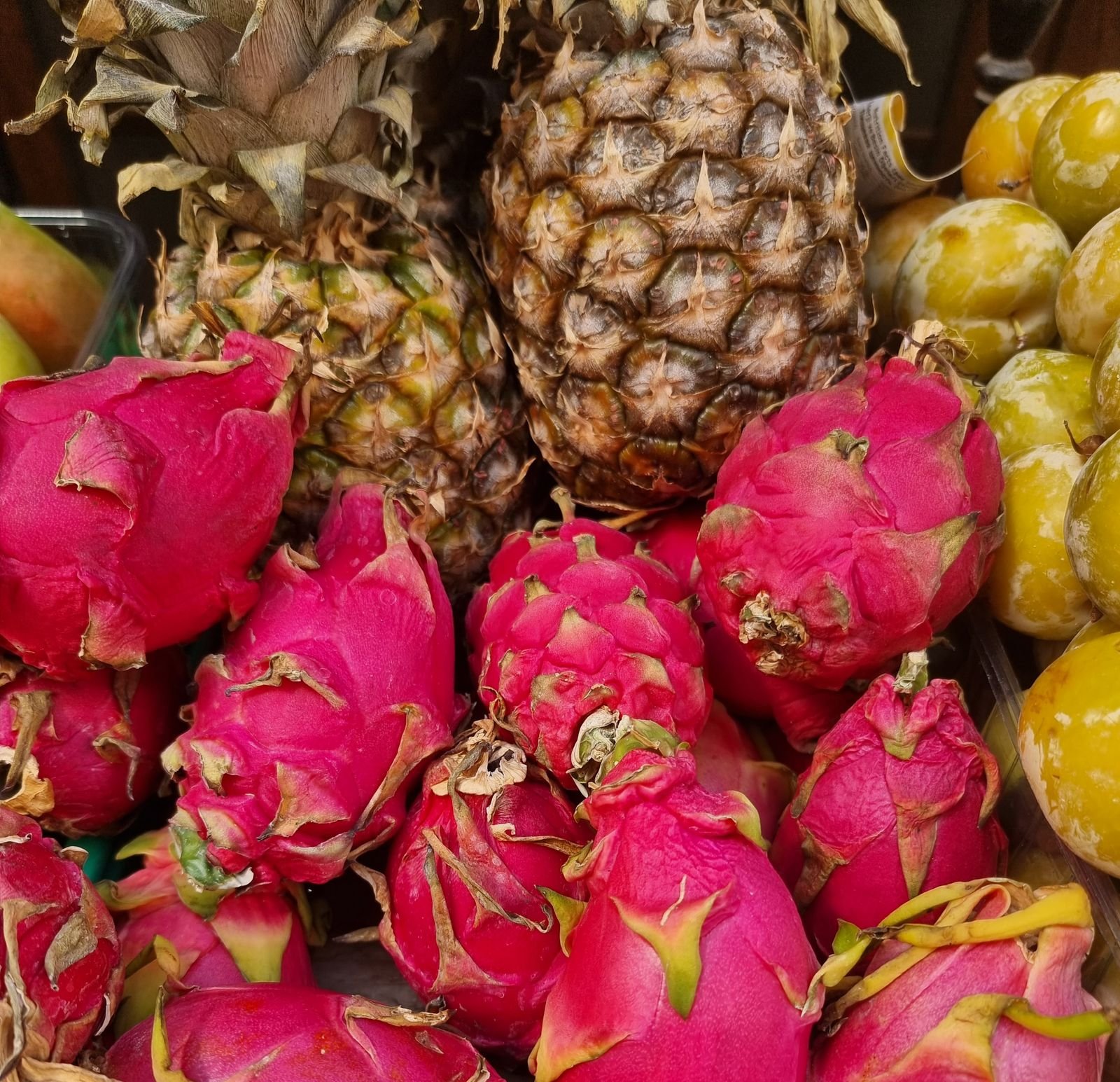
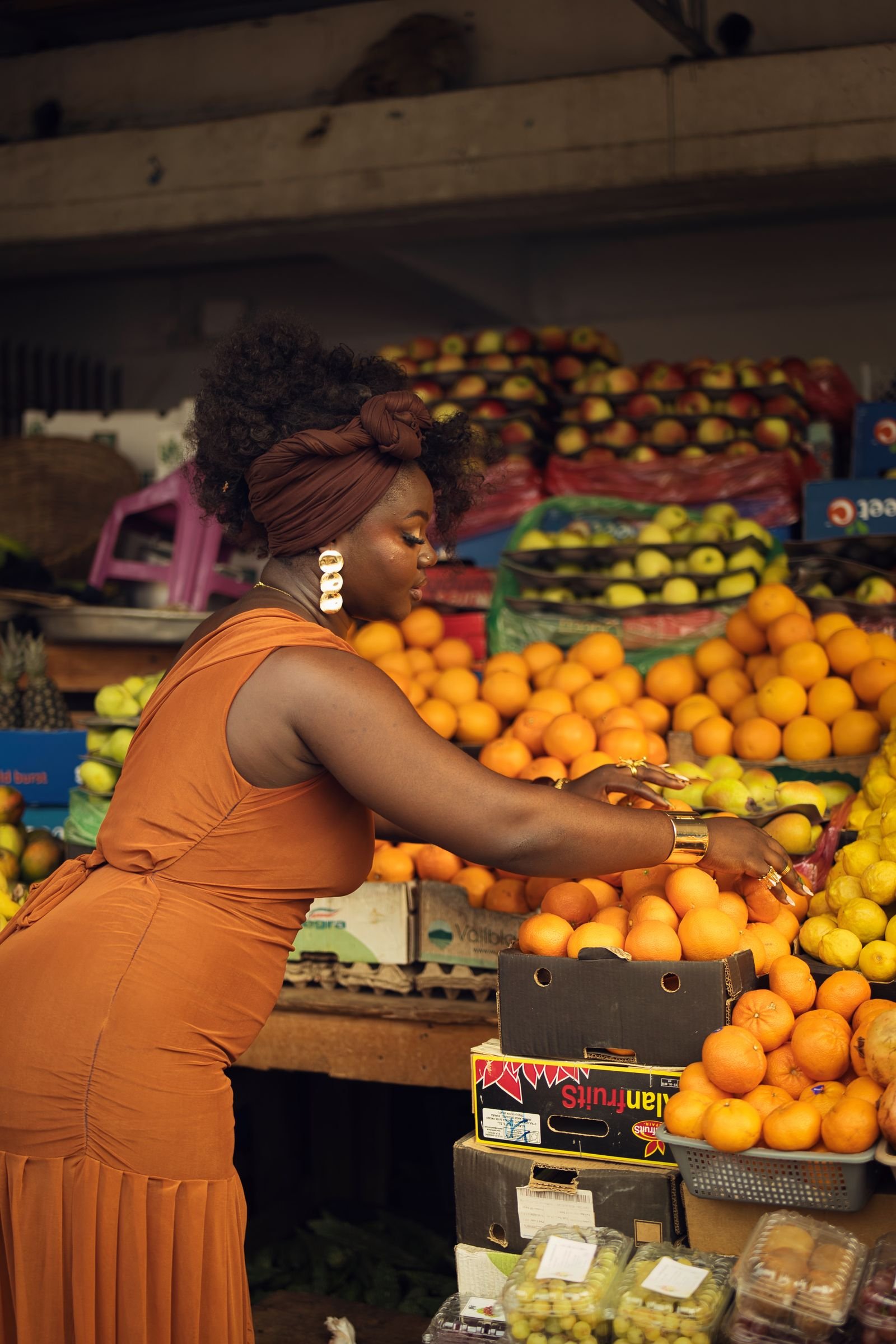
    Dragon fruit and other exotic fruits at a market stall

    Why exotic fruits are entering the export conversation

    Several things are happening at once. Indian farmers in states like Gujarat, Maharashtra, Karnataka, Tamil Nadu, Odisha and the Northeast have been expanding acreage under crops that were rarely grown commercially a decade ago. At the same time, demand from the Gulf, Southeast Asia and parts of Europe for fruits associated with wellness and novelty — bright colours, high vitamin content, “superfood” positioning — has grown steadily. That combination is what turns a fruit from a local specialty into an export category worth tracking.

    Dragon fruit: the furthest along

    Dragon fruit (kamalam) is the clearest example of this shift actually reaching export pallets. Cultivation has expanded across Gujarat, Maharashtra, Karnataka, Odisha and parts of the Northeast, and consignments have moved to markets including the UAE, Singapore, Malaysia, Japan and parts of Europe. It is not yet a volume category on the scale of mangoes or grapes, and supply is still concentrated in a limited harvest window, but the trend line is real and buyers are increasingly asking Indian exporters whether it is on their radar.

    Passion fruit, rambutan, longan and mangosteen

    Alongside dragon fruit, a smaller group of exotic fruits has genuine, documented export activity out of India. Passion fruit is grown commercially in the Northeast and parts of South India and moves into pulp and fresh fruit trade. Rambutan, longan and mangosteen are grown in pockets of Kerala, Tamil Nadu, Karnataka and the Northeast, largely on a smaller scale, with export volumes that are modest but growing as processors and exporters build the cold-chain and grading infrastructure these fruits need. None of these are mainstream Indian export categories yet — they are best understood as an emerging tier sitting just behind dragon fruit.

    Blueberries: the opportunity that’s still ahead

    Blueberries are worth a separate, more careful note. Domestic cultivation in India is still small and concentrated in early-stage growing regions such as Himachal Pradesh, Uttarakhand and parts of the Northeast, and India today is a net importer of blueberries rather than an exporter — imported volumes are well ahead of domestic production. That makes blueberries less an existing export line and more a category to watch: as acreage under cultivation increases and cold-chain infrastructure matures, it is realistic to expect India’s own production and, eventually, export potential to grow. Buyers researching Indian exotic fruit sourcing should treat blueberries as a forward-looking opportunity rather than a current one.

    What this means for international buyers

    For buyers evaluating India as a source of exotic fruit, the practical takeaway is to separate what is available now from what is coming. A short list of questions helps:

    • Which exotic fruits does the exporter currently handle, versus which are still in development?
    • What growing regions and harvest windows apply to each fruit being discussed?
    • Is the cold chain and packing set up for delicate exotic produce, not just staple fruits and vegetables?
    • What volumes are realistically available, and how do they compare with established categories?

    Exotic fruits are a genuine growth story in Indian agriculture, but the category is uneven — some fruits, like dragon fruit, already move through export channels; others, like blueberries, are still building toward that point.


    APCON Exports tracks these categories closely as part of a broader focus on fresh, frozen and dehydrated produce out of India. If exotic and emerging fruit categories are part of your sourcing plans, get in touch and we can talk through what’s realistically available today and what’s worth watching for the future.

  • Dehydrated Fruits & Vegetables from India: A Guide for International Buyers

    Dehydrated Fruits & Vegetables from India: A Guide for International Buyers

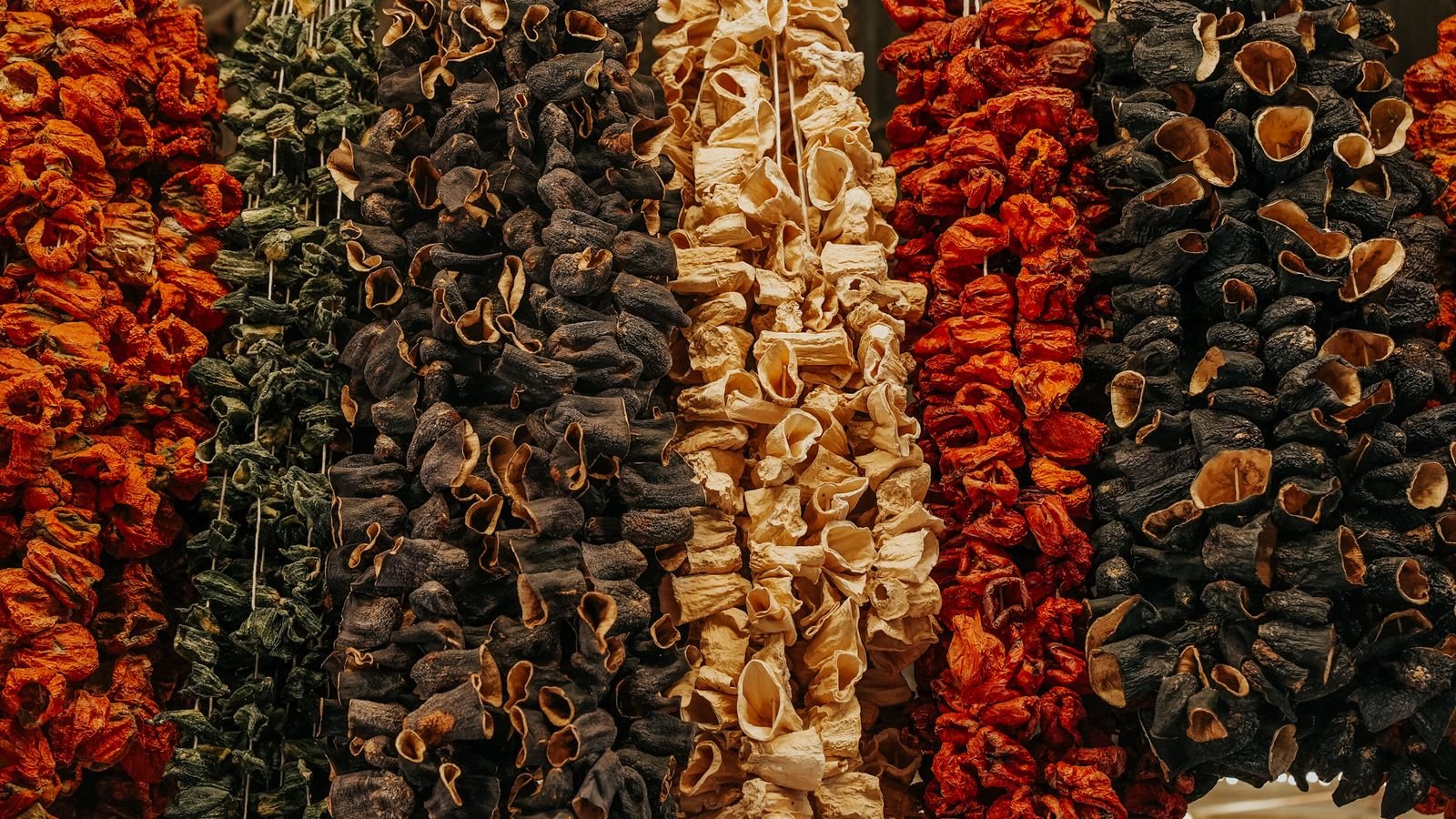
    Dehydrated fruits and vegetables solve a problem that fresh and even frozen produce can’t: they travel light, store easily, and hold their quality for months without a cold chain. For buyers sourcing ingredients for snack manufacturing, food service, retail packaging, or industrial use, that combination is often what makes Indian dehydrated produce worth a closer look. Here’s what’s worth understanding before you approach a supplier.

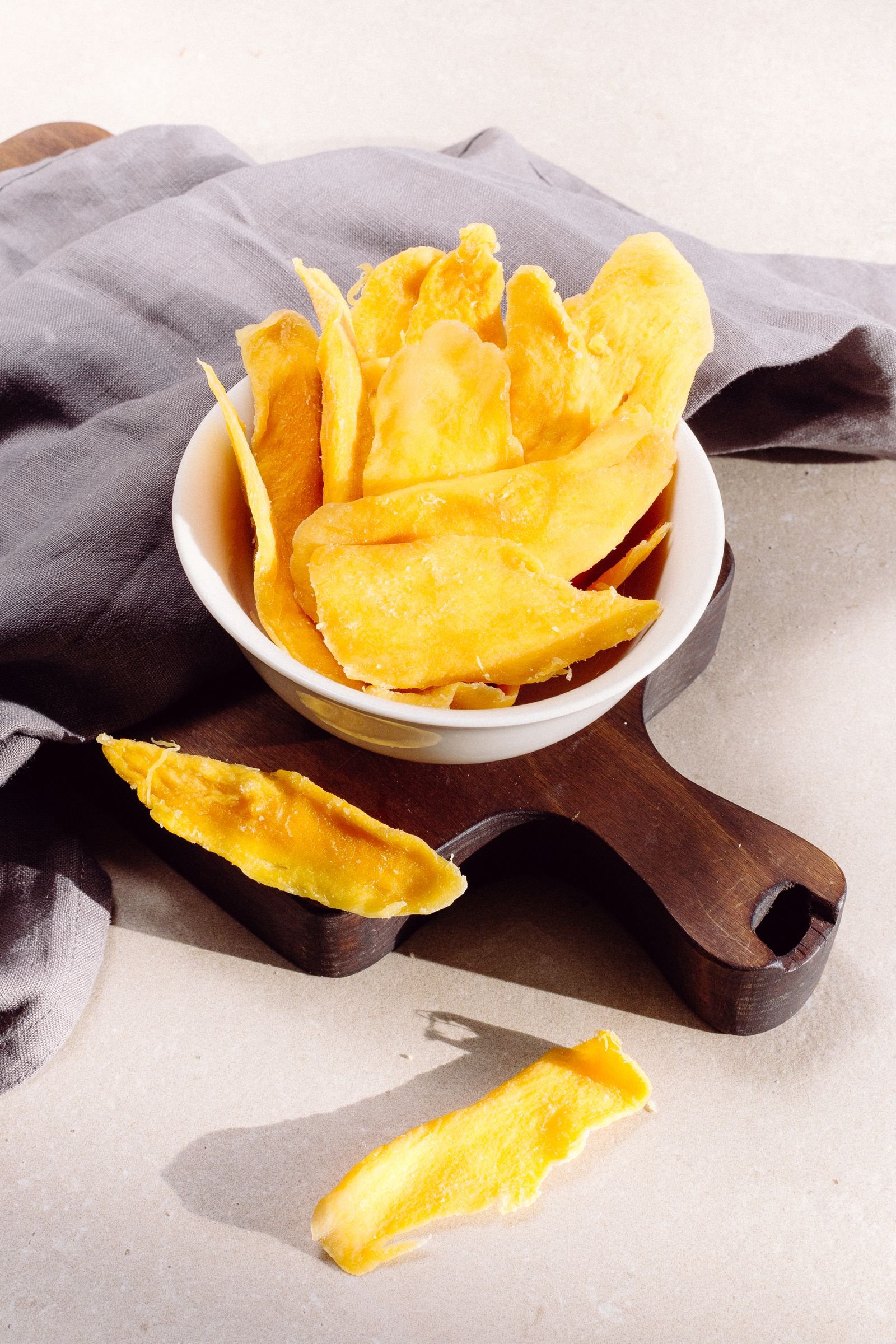
    Assorted dehydrated fruits ready for export from India

    Why dehydrated produce makes sense for import

    The biggest practical advantage is shelf stability. Naturally dried fruit and dehydrated vegetables hold their condition through extended transit and storage — helpful if you’re shipping long distances, holding inventory, or working with distribution timelines that fresh or frozen produce simply can’t accommodate.

    The second advantage is logistics economics. Removing the water content from fruit and vegetables sharply reduces their weight and volume, which means more product per container and lower freight cost per usable kilogram compared to fresh or frozen equivalents. For buyers running the numbers on landed cost, that difference adds up quickly.

    Dehydrated produce is also easier to handle downstream — no cold storage requirement, simpler warehousing, and flexibility to use it across a range of applications, from direct retail packs to reprocessing as an ingredient.

    From farm to dried product: what quality sourcing looks like

    Not all dehydrated produce is equal, and the difference usually traces back to how far the supplier’s traceability actually goes. Ask where the fruit or vegetables are grown, who processes and dries them, and what quality checks happen at each step. A supplier working with growers and processors who meet your market’s specific standards — rather than a generic “export quality” claim — is one who can actually stand behind consistency, shipment after shipment.

    Concentrated flavor is one of the appeals of dehydrated fruit, but it also means any inconsistency in the raw material or drying process shows up clearly in the final product. That’s a good reason to ask specifically how a supplier controls for batch-to-batch consistency, not just what the finished product looks like in a sample.

    What to check before choosing a supplier

    Before committing to a dehydrated produce exporter, it’s worth having a real conversation about your specifications and market requirements — moisture content targets, particle size, packaging format, and any labeling or compliance rules specific to your country. A supplier who works through this with you upfront, before you place an order, tends to be the one who avoids surprises after the shipment ships.

    It’s also worth asking who manages documentation and customs clearance, and whether that’s handled as a standard part of the process or something you’ll need to chase down yourself once the product is already in transit.

    The delivery side: documentation and coordination

    Shelf-stable doesn’t mean shipping is simple. Dehydrated produce still needs correct export documentation prepared in advance, packing suited to the journey, and coordinated freight from dispatch to your market — with visibility into where the shipment is along the way. The best suppliers treat this as part of the product, staying in contact from the moment your order leaves their door until it reaches yours.

    Questions worth asking before you commit

    • Which growers or processors supply the raw produce, and how is that traceable?
    • What quality checks happen during drying and before packing?
    • What are your specifications for moisture content and consistency?
    • How is documentation for customs handled, and by whom?
    • Will I have a single point of contact through sourcing, drying, and delivery?

    APCON Exports works across dehydrated fruits and dehydrated vegetables, sourced from growers and processors that meet the standards each market requires, with full traceability from farm to pack and quality checked at every step. We handle documentation and packing so shipments clear customs without delays, and coordinate freight through to delivery — keeping you updated from dispatch until it arrives. If you’re evaluating a dehydrated produce supplier in India, start an enquiry and tell us what you need.

  • How to Import Frozen Fruits & Vegetables from India: A Buyer’s Guide

    How to Import Frozen Fruits & Vegetables from India: A Buyer’s Guide

    India has become one of the more reliable sourcing destinations for frozen fruits and vegetables, thanks to its wide growing regions, established cold-chain infrastructure, and competitive processing costs. But importing frozen produce isn’t as simple as placing an order — the product has to survive sourcing, freezing, customs, and a long-distance cold chain before it reaches your facility in the same condition it left in. If you’re evaluating suppliers for the first time, here’s what actually matters.

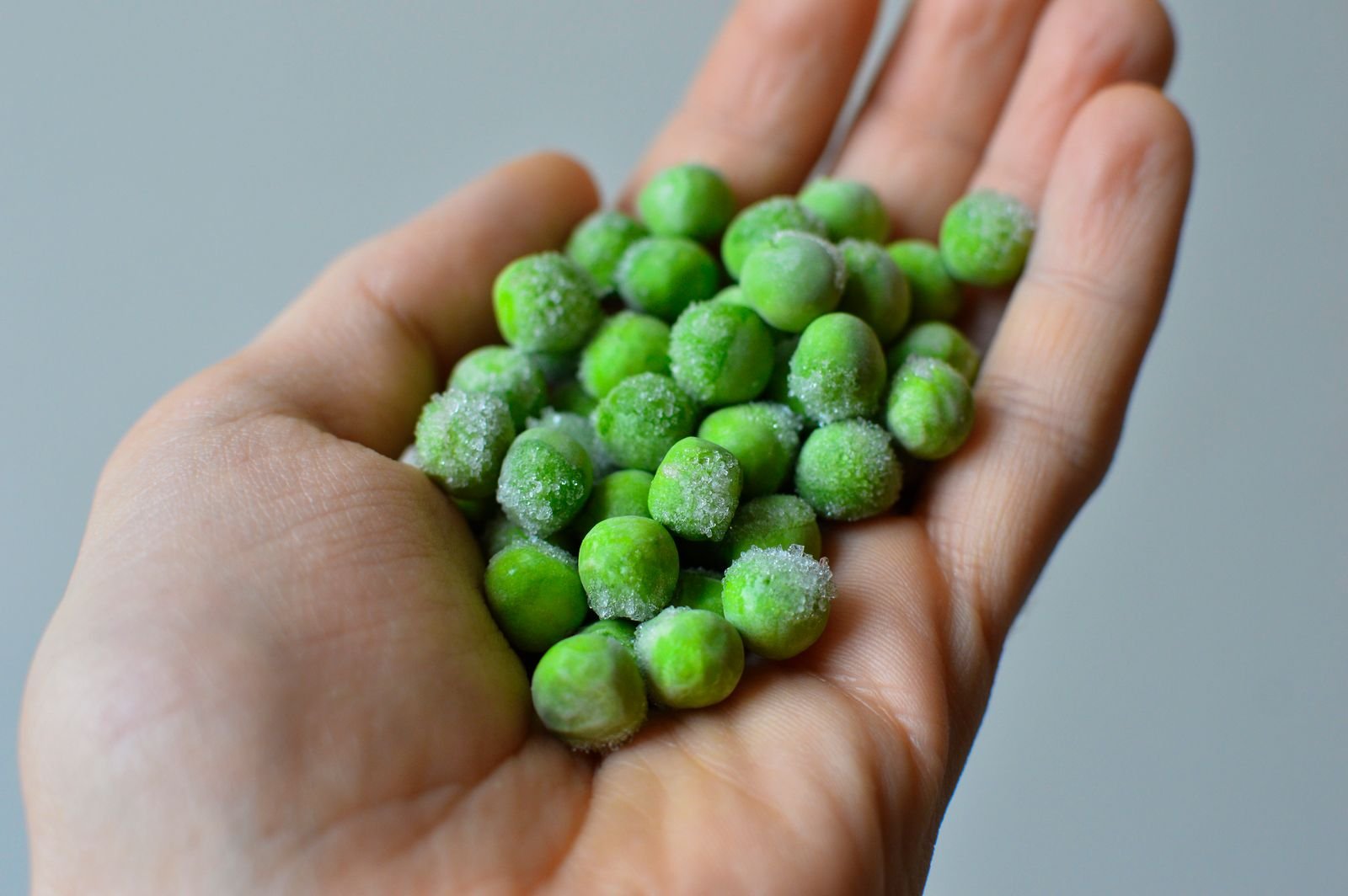
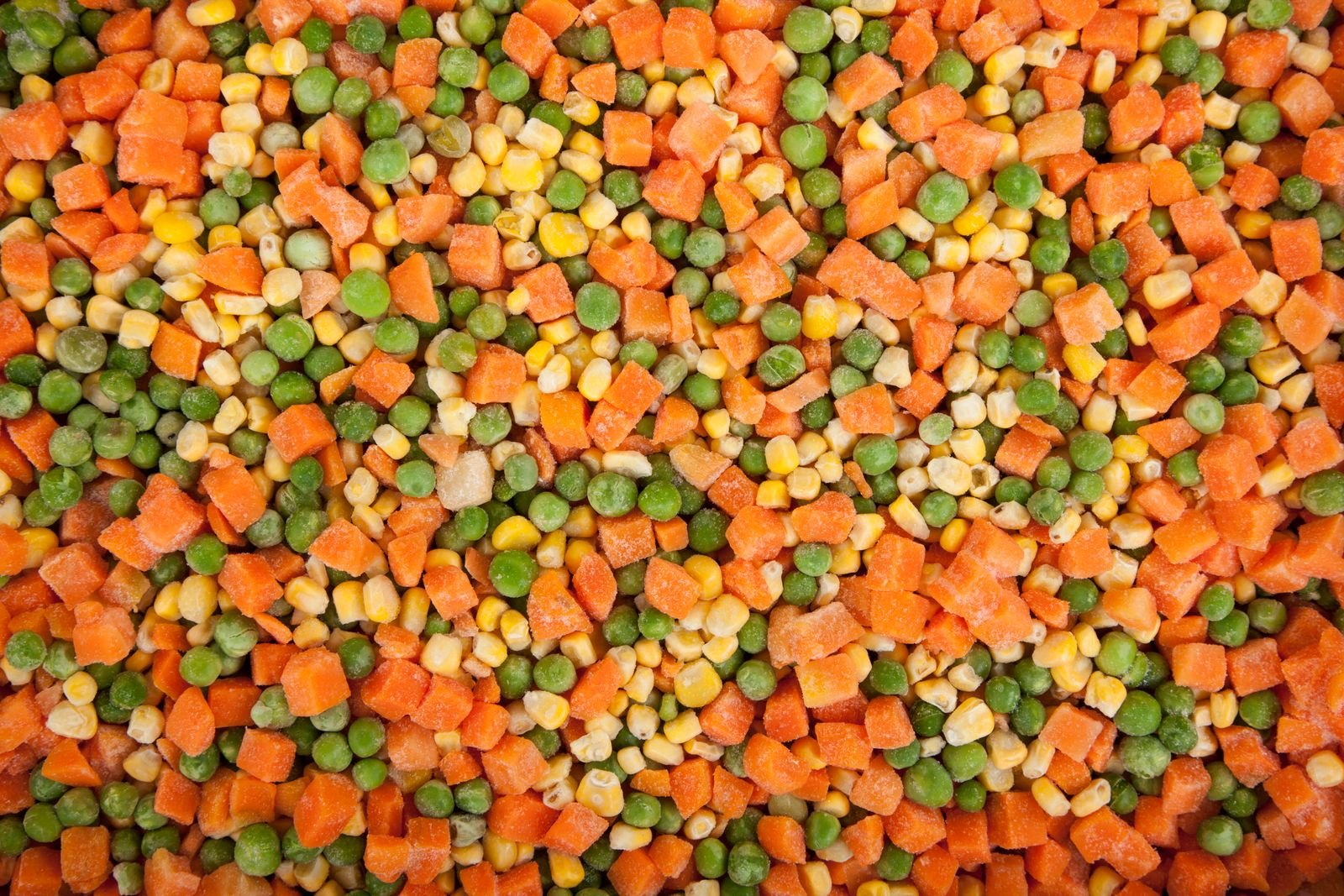
    Close-up of frozen mixed vegetables ready for export from India

    What “export-ready” frozen produce really means

    Frozen fruit and vegetables for export are typically individually frozen shortly after harvest, so the produce holds its texture, flavor, and color through the length of the shipping journey rather than clumping or breaking down. Vegetables are usually blanched first — a quick heat treatment that stabilizes color and stops enzyme activity — then frozen to consistent specifications so every shipment performs the same way, whether it’s going into foodservice prep or retail packaging.

    The point of asking about this upfront is simple: a supplier who can describe their freezing and blanching process in specific terms is a supplier who actually controls it. Vague answers are a signal to keep looking.

    How to vet a frozen produce exporter

    Before you commit to a supplier, it’s worth understanding how far back their traceability goes. Reputable exporters work directly with growers and processors who meet the specifications your market requires — not just “good quality,” but the specific grading, size, and handling standards that your country’s food safety authority or your own buyers expect. Ask where the produce is grown, who processes it, and what quality checks happen at each stage between farm and freezer.

    It also helps to have someone on the supplier’s side who can talk through your market’s requirements with you before you place an order — differences in permitted additives, labeling rules, or packaging specifications between countries can turn into costly problems if they’re only discovered after the shipment has left port.

    Documentation and customs: what to expect

    Frozen shipments move through customs on the strength of their paperwork as much as their product quality. That means correct, complete documentation — commercial invoices, packing lists, certificates of origin, phytosanitary certificates where required, and any market-specific compliance paperwork — prepared before the shipment moves, not scrambled together after it arrives at port. A supplier who treats documentation as part of the product, not an afterthought, is one who’s less likely to leave your shipment sitting in customs.

    Packing matters here too. Cartons and pallets need to be built for the realities of a long cold-chain journey: multiple handling points, temperature checks, and the jostling of ocean freight, not just a single truck ride across town.

    Logistics: from dispatch to your door

    Once a shipment leaves the freezer, someone needs to be actively managing it — coordinating freight bookings, keeping the cold chain unbroken across transfers, and handling the last-mile handoff into your market. Ask a prospective supplier who owns this part of the process, and whether you’ll get visibility into where your shipment is between dispatch and delivery. A supplier that only engages up to the port, and goes quiet until the container arrives, leaves you managing risk you didn’t sign up for.

    Questions worth asking before you commit

    A short checklist for your first conversation with any frozen produce exporter:

    • Which growers or processors do you source from, and how is that traceable?
    • What are your blanching and freezing specifications for the product I need?
    • What documentation do you prepare, and when in the process is it ready?
    • Who manages freight and customs coordination — you, or a third party?
    • Will I have a single point of contact from sourcing through delivery?

    The exporters worth working with will have straightforward answers to all five.


    APCON Exports works across frozen fruits and frozen vegetables, sourced from growers and processors that meet the standards each market requires, with full traceability from farm to pack. We handle documentation and packing so shipments clear customs without delays, and coordinate freight through to last-mile delivery — with updates from dispatch until the shipment reaches you. If you’re evaluating a frozen produce supplier in India, start an enquiry and tell us what you need.